


Dear Practitioners,
This is Part I of a new multi-part Feature series, When Tools Become the World. It is the opening move in a longer argument, built from observation and lived experience—across trading desks, and away from them.
It is also classic Asymmetrist: an examination of an upstream issue that shapes many others yet often goes unexamined.
As formalised for Asymmetrist 2.0 and much of 2026, these larger Features will be serialised. Rather than publishing a single, dense piece in one go, they are broken into smaller parts to allow time for digestion, reflection, and return—space for the ideas to work on you between readings.
Part I is deliberately restrained. It names the category error and shows its first symptoms. The fuller mechanism—and the career consequences—arrive in the parts to come.
At the end, you will find a small set of questions. Sit with them for a week. If a line irritates you, feels uncomfortably familiar, or brings a particular trader to mind—perhaps yourself—pause there. Do not resolve it yet.
Good reading and good trading to you all,
Bogdan
Positions:
A career collapses the moment it rests on a vision of the world that cannot be contradicted.
Tools do not merely compress experience; they narrow the horizon of what can be imagined.
What feels irrelevant is often what is about to matter.
Part I: There Is Only One Market
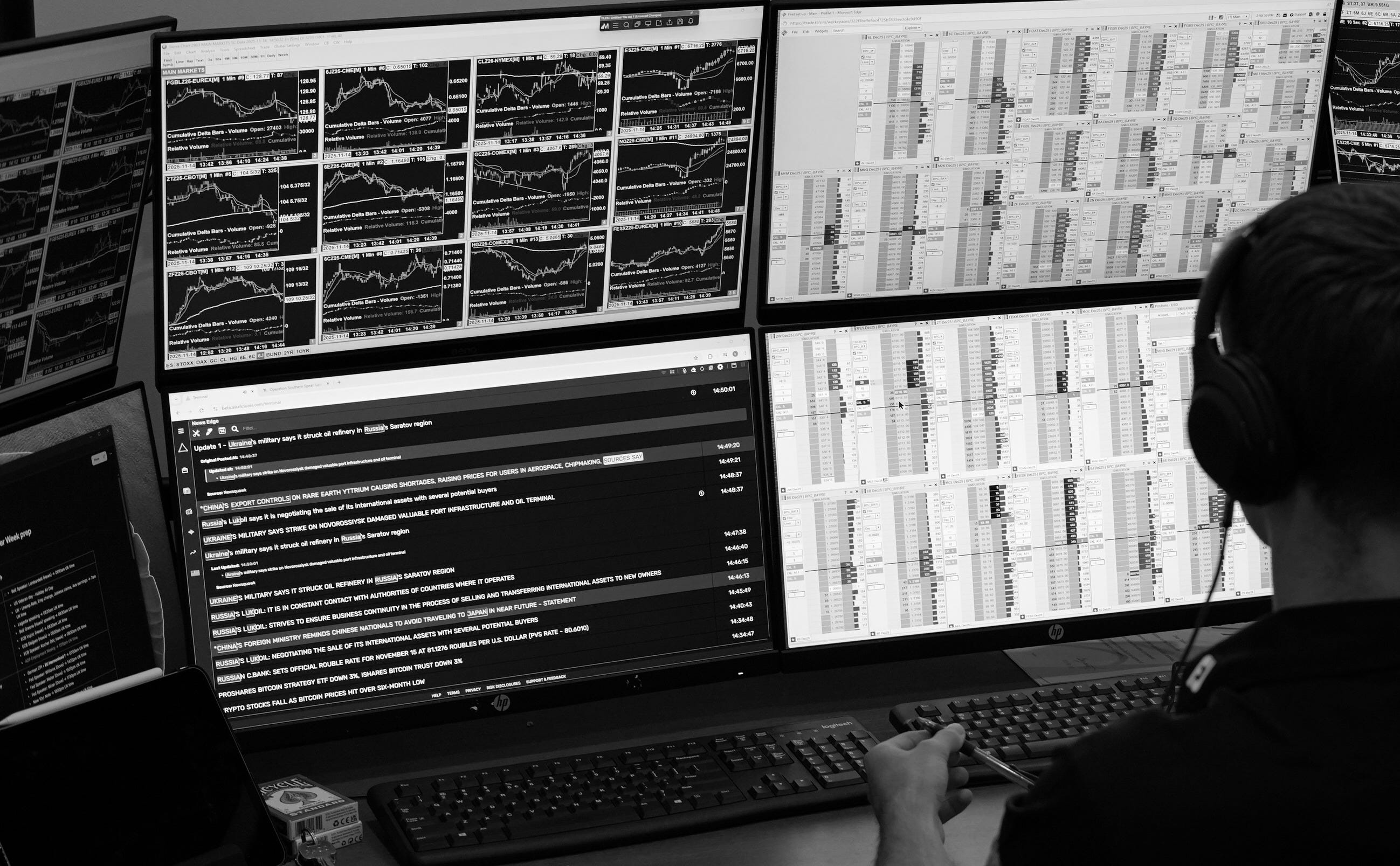
A few months ago, a conversation broke off with a new trainee at AXIA’s London office:
“Aren’t you going to run up to the floor for ADP at one-fifteen?”
“No, no; I’m just going to do something relevant for the [market] profile.”
So begins thy category error: representation treated as the very thing itself. To arrive locked and stocked—hat, suncream and camera—at your sightseeing destination and ask the locals, “But where are all the contour lines? They’re right here—on the map!”
This absurdity is usually hidden—implicit, embedded in the actions and behaviours of traders across the career curve. Yet, this trainee laid it bare. As if there were one market for Profile users, another for ‘pattern’ traders, another for ‘indicator’ traders, another for ‘news’ traders, and so on. In his mind, there was no need to even watch and digest the reaction to this economic data—ADP—let alone trade it, because he was a “technical trader.” So goes the collective delusion among new, then struggling, then failing traders: that the entire domain is a grand choose-your-own-adventure. To curate one’s own reality. ADP, you know, is something for those fast-clicking headline traders; not for the sophisticated, calmer, slower and more risk-averse likes of I!