


Dear Practitioners,
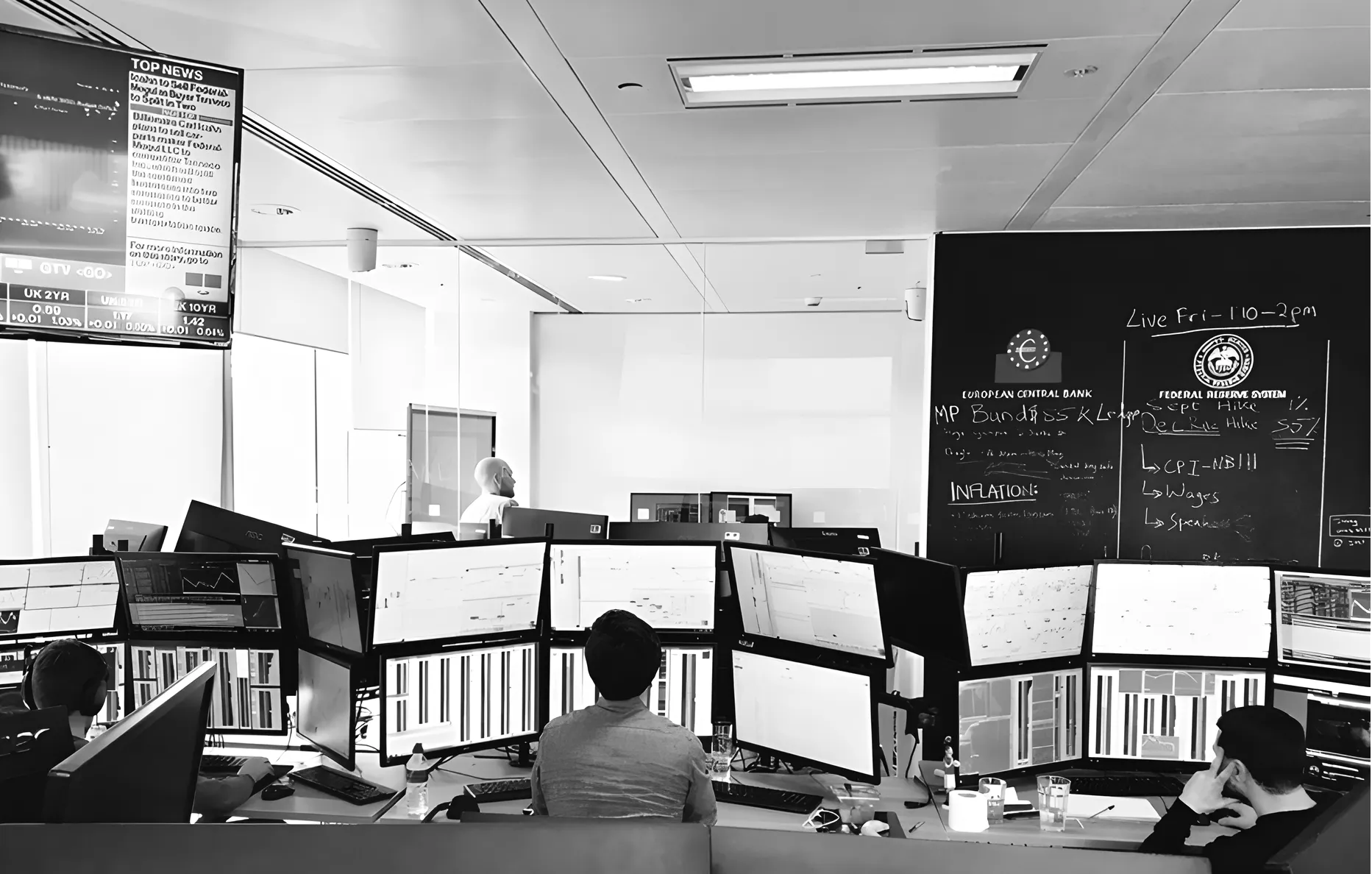
I have spent much of this summer so far at AXIA’s Cyprus floor, watching the change from Q1’s extremes into Q2’s comedown. Much of what follows comes from that atmosphere as much as from the markets themselves: the conversations, the fatigue, the loss of intensity, the questions traders were asking aloud and the others they were perhaps only asking privately.
This review is therefore less a chronological recap than an attempt to understand what happens after prolonged opportunity abundance: how a theme ends, how traders struggle to leave it, and how the next cycle often begins before most people recognise that the previous one is truly over.
For those who missed the Q1 2026 Review, or would like to revisit the quarter that preceded this comedown, you can find it here.
Good trading to you all,
Bogdan
Unlock Source, Depth and Sense
Asymmetrist is read by traders across the career curve for exclusive stories, career-design thinking, and upstream sense making in markets.
The work exists for practitioners serious about developing careers rather than merely chasing individual trades, and for those who understand the near-incalculable long-term return of placing oneself in the right informational and developmental environment over time.
Join below for full subscriber access to:
exclusive training-floor stories like trading the current Iran War, The Warrior trading January’s Greenland de-escalation, a team navigating Trump tariffs,
long-form Features like The Counterintuitive Shape of Trader Development or When Tools Become the World.
brand new initiatives for 2026: The Living Library—applying all that is published against current market conditions, from navigating markets pricing between headlines to understanding where to place oneself with strategic advantage.
Across the AXIA trading desks.
April-June 2026.
London (England) · Limassol (Cyprus) · Split & Zagreb (Croatia)
In Search of an End
The second life of a market often determines the first life of the next. So spoke the markets of April, May and June, which were, in many respects, defined by the search for the end of the Iran War theme.
The quarter opened in the immediate aftermath of one of the most exceptional trading environments that many on the AXIA floor had ever experienced. Q1 lifted many novices out of negative accounts, allowed others to build meaningful firepower, and pushed some of the most senior traders towards their best ever days, even two decades or more into their careers.
But then came the comedown. The conditional ceasefire in early April removed the immediate prospect of a much wider conflict, but very little actually felt resolved. Hormuz remained in question. Negotiations drifted forwards, then backwards. Memorandums appeared, disappeared, were amended and eventually signed. Across the quarter, the same question kept returning in slightly different forms: was this finally the end?
There were still exceptional trading days. April still produced several before the environment began to change. May increasingly became a slower grind as the war premium continued to erode, punctuated only occasionally by renewed bursts of volatility through June.
The opportunities were still there. Increasingly, however, they became isolated. Even well into May and June, strong multi-six-figure days remained possible, especially for those able to adapt. Yet they stood increasingly alone. Compared with the extraordinary abundance of Q1, they felt less like the continuation of a theme than scattered reminders of one.
All the familiar characteristics of late-theme trading had begun to dominate. Headlines increasingly faded. Markets became increasingly non-reactive. The same catalyst which only weeks earlier might have produced sustained repricing now struggled to hold attention. Yet the market never quite moved on either. Energy, bonds and equities all seemed to be looking back towards Iran, as though participants could no longer fully believe either war or peace.
Instead, the market remained scatter-brained; one moment repricing another Hormuz development, the next reacting to central bank speak, before drifting back again. The theme was refusing to die in the minds of market participants, while the war premium leaked away one headline at a time.
And somewhere during that transition, many participants seemed to be searching for an ending. The market was not the only thing struggling to move on. Traders across the desks seemed to be waiting for one final crescendo, one last great trading day that would somehow bring the preceding months to a satisfying conclusion. They were waiting not simply for one last trade, but to make their peace and leave the theme behind.
But it never really came.